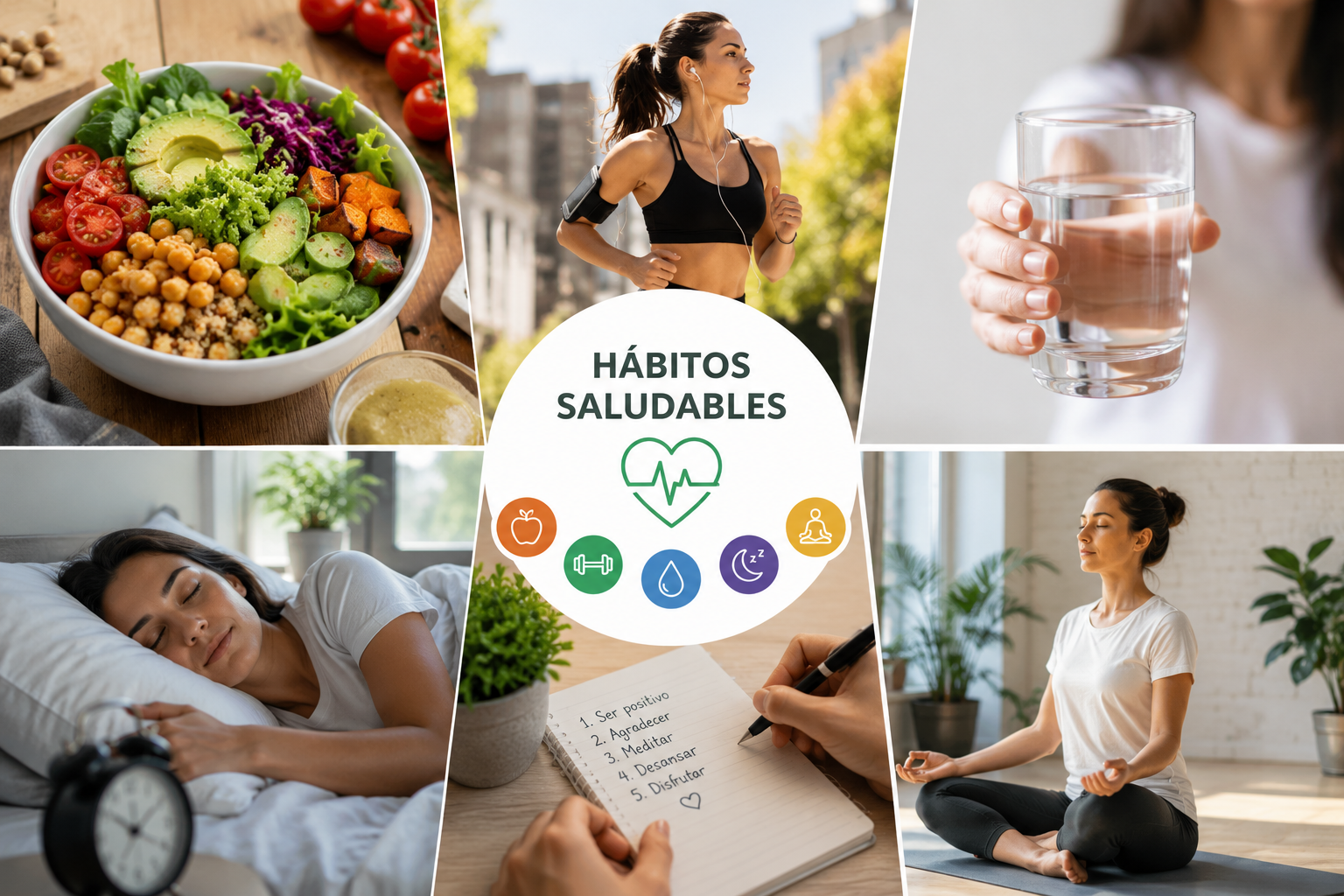
Why motivation isn't enough
Motivation is an emotion, and like any emotion, it fluctuates. If your eating plan depends on "feeling motivated" every single day, it's bound to fail sooner or later. Lasting habits don't depend on motivation, but on systems and routines that work even on the days you don't feel like it.
The good news is that building habits is a skill you can train, and behavioral science has quite a bit to say about how to do it effectively.
💡 Don't wait to "feel motivated" to act. Act first, even with minimal effort, and motivation usually shows up afterward as a consequence, not a cause.
The most common mistake: starting too many changes at once
Changing your diet, starting to train 5 days a week, sleeping 8 hours and drinking 3 liters of water, all on the same Monday, is almost a guaranteed recipe for giving up. Willpower is a limited resource: the more changes you try to maintain at once, the faster it runs out.
A much more effective approach is to introduce one new habit at a time and consolidate it before adding the next one.
How to build a habit that sticks
1. Make it so small you can't fail
Instead of setting the goal to "eat healthier," start with something so specific and small it's almost impossible not to do it: "add one piece of fruit at breakfast" or "walk for 10 minutes after lunch." Small, consistent habits generate more long-term results than big changes that get abandoned within a week.
2. Attach the new habit to one you already have
Linking a new action to an existing routine makes it much easier for it to become automatic. For example: "after I pour my morning coffee, I prep my lunch to take with me" or "after I brush my teeth, I lay out my workout clothes."
3. Make it visible and easy
Your environment matters more than you think. If you want to eat more fruit, leave it visible on the counter instead of hiding it in the fridge drawer. If you want to eat fewer ultra-processed foods, simply don't buy them: availability is one of the biggest predictors of what we end up eating.
4. Track your progress
Logging what you eat, even in a simple way, increases awareness of your decisions and helps spot patterns that would otherwise go unnoticed. It doesn't have to be perfect: even partial tracking improves long-term adherence.
🎯 Practical rule: if a new habit feels reasonable to do "almost always," you're on the right track. If it feels like you'll only pull it off on a good day, it's still too ambitious.
What to do when you slip up (because you will)
Missing one day doesn't ruin your progress; what does ruin it is the reaction of "well, since I already messed up, I'll just start over next Monday." This pattern, known as the "what the hell" effect, often turns a small slip into a full abandonment.
- One meal or one day "off plan" doesn't meaningfully change your weekly progress.
- Get back to your routine at the next meal, not next Monday.
- Evaluate your progress in weeks and months, not single days.
The importance of flexibility
100% rigid plans tend to fail in the real world: dinners with friends, trips, birthdays. An approach with some flexibility (for example, covering 80-90% of your meals consistently and leaving room for the rest) tends to last much longer than absolute perfection.
Frequently asked questions
How long does it take to form a habit?
It varies a lot depending on the person and the complexity of the habit, but habit-formation research places the average around two to three months of consistent repetition, not the famous "21 days" often cited without solid basis.
Is it better to change everything at once or little by little?
For most people, gradual changes sustained over time have much better odds of lasting than sudden, radical changes, which tend to generate more mid-term abandonment.
Does logging your food really help maintain habits?
Yes, numerous weight-management studies show that people who log their food, even simply, tend to maintain their goals better than those with no tracking at all.
Make tracking the easy habit
With Comeloia, logging your food is as simple as taking a photo. No scales, no endless lists: just effortless consistency.


Summary: what to remember
- Lasting habits depend on systems, not on the day's motivation.
- Introduce one small change at a time instead of overhauling your whole life on the same day.
- Attach new habits to routines you already have and make what you want to reinforce visible.
- One slip doesn't ruin your progress: what matters is the response that follows it.
- Flexibility (80-90% consistency) is more sustainable than absolute perfection.
← Back to blog